Most Tulsa homeowners looking at pool types never ask the most important question first.
Not what pool looks best. Not what pool costs the least. Not what pool is easiest to maintain.
What pool can my yard support?
That question depends on what is under your grass. In the Tulsa metro, what is under most people's grass is expansive clay soil. It expands when wet. It contracts when dry. And it puts enormous pressure on anything buried in it. Choosing the wrong pool type for your soil is the difference between a pool that lasts 25 years and one that develops cracks, deck heave, or liner problems by year five.
By the end of this article, you will understand the four distinct soil situations in the Tulsa market and how each pool type responds to them. You will also understand why the honest answer to "what pool is best for Oklahoma soil" is not just about the pool type. It is about what the builder does before and during construction.
The Soil Problem Most Tulsa Pool Buyers Never Think About
The mistake: Choosing a pool type based on aesthetics, price, or what the builder sells, without understanding how Oklahoma's clay soil affects each pool type differently.
Why it matters: According to Aquatics International's pool construction soil analysis, expansive clay soils can generate expansion pressure of up to 15,000 pounds per square foot. That is enough force to lift concrete decking, crack pool shells, and shift plumbing. Oklahoma clay is not a minor inconvenience to manage around. It is a structural engineering challenge that should be addressed before a single shovel hits the ground.
What to do instead: Start every pool conversation in Tulsa with a site evaluation that assesses soil type, drainage conditions, slope, access, and groundwater. The pool type recommendation should come after that evaluation, not before it.
This is how Silverado Rock approaches every Tulsa build. The yard gets evaluated before the pool gets designed.
The Four Soil Situations in the Tulsa Metro
Tulsa does not have one soil type. It has four distinct soil conditions within a small geographic area, and each one changes the conversation about pool types.
Situation 1: Heavy clay and Vertisols in low-lying areas
The Tulsa metro sits directly in the path of Oklahoma's most challenging soil type. According to the Oklahoma Cooperative Extension Service, Vertisols are clay-rich soils that shrink and swell with changes in moisture. A diagonal band of these soils runs from southwest to northeast across the state, passing through Tulsa County, Wagoner County, and the surrounding metro area.
In Tulsa's low-lying areas, flat lots, and neighborhoods that collect water rather than drain it, Vertisol-type clay is the most challenging soil condition a pool builder encounters. During dry Oklahoma summers, this soil shrinks and cracks. After the rain, it expands back. That cycle repeats every season and generates real structural pressure against anything buried in it. Neighborhoods near drainage areas and low ground are most likely to have the heaviest clay concentrations in the Tulsa market.
Situation 2: Clay loam on sloped terrain
This is the most common soil situation in South Tulsa, Jenks, and Bixby. The soil has meaningful clay content but is mixed with loam and sits on terrain that slopes away from the house. This is a more manageable pool-construction environment than flat heavy clay because the slope itself helps with drainage. Water moves away from the pool shell rather than collecting around it.-construction environment than flat,
This is also where Jason's semi-inground recommendation is most applicable. The slope indicates that a retaining wall is needed regardless of the pool type. A semi-inground build uses the pool wall itself as the retaining structure, which changes the soil-exposure picture.
Situation 3: Alluvial loamy soil near the Arkansas River and creeks
Properties near the Arkansas River in west Tulsa and Jenks, along Bird Creek in Owasso, and near other waterways in the metro sit on alluvial soil deposits. These soils are loamier, better drained, and more stable than the clay-heavy upland soils. Excavation is easier, soil movement is less of a concern, and pool construction is more straightforward.
The trade-off is groundwater. Alluvial soils near water features can have higher water tables. That creates hydrostatic pressure under the pool shell. A fiberglass or vinyl liner pool drained for maintenance can float if the groundwater table is high enough. Proper drainage systems and hydrostatic pressure valves are essential on these sites.
Situation 4: Shale or rock close to the surface on hillside properties
Parts of west Tulsa near Turkey Mountain, the Osage Hills area, and elevated hillside properties throughout the broader metro hit shale or sandstone within four to six feet of the surface. Excavation costs are higher when rock is encountered. Pool depth options may be limited. And the combination of rock near the surface with Oklahoma's freeze-thaw cycles creates a different structural challenge than pure clay soil does. Homeowners in these areas often encounter unexpected excavation costs that were never discussed in the initial quote.
What Expansive Clay Does to Each Pool Type
Before comparing pool types, it helps to understand the specific mechanisms by which Oklahoma clay causes pool problems.
According to Aquatics International's pool construction soil analysis, expansive clay contains minerals that absorb water and increase in volume. Certain highly expansive soil types can undergo volume changes of up to 30 percent. When it expands, it puts pressure on whatever structure is near or in it. Cracks and leaks are the most frequent damage. When the clay then dries and contracts, it can pull away from the pool shell, leaving voids that affect structural support and drainage.
Two characteristics determine how much a soil challenges pool construction. The first is expansiveness: how much the soil grows when wet. The second is density: how well the ground bears weight.
Think of it this way. Building a pool in Tulsa clay without addressing drainage and soil prep is like putting a cast-iron skillet in the freezer without checking if it is cracked. The freezer does not break the skillet. The freezer does what freezers do. The crack was always there. Oklahoma clay does not break poorly built pools. It does what Oklahoma clay does. The pool that failed was never built for the soil it was going into.
According to Aquatics International, if the active clay zone goes deeper than the pool, expanding soil can lift the shell. In that case, the shell must be reinforced to move as a unit or isolated using piers and void boxes. The more common scenario: the active zone is shallower than the pool. Then the main risk is deck heave, not shell movement.
That distinction between shell risk and deck risk changes the approach to mitigation. And it is a distinction that only a proper site evaluation can determine.
How Each Pool Type Handles Oklahoma Clay Soil
Semi-Inground Vinyl Liner Pools
This is the pool type that sidesteps the clay problem rather than engineering around it. Because a semi-inground pool sits partially above grade, less of the pool shell is buried in the expansive clay. The pool wall handles the grade transition, and soil exposure is reduced compared to an inground build.
For sloped Tulsa lots, which are most of Jenks, Bixby, and South Tulsa, the semi-inground approach converts a liability into an asset. The retaining wall that an in-ground build would require as a separate structure becomes the pool wall itself. That wall then becomes the canvas for rock features, waterfalls, and scuppers. The clay soil that would otherwise be a construction complication becomes the reason the backyard looks the way it does.
The additional benefit specific to Oklahoma: because the pool sits elevated above the surrounding grade, wind does not push red dirt and debris straight into the water the way it does with an inground build.
Silverado Rock's Rectangle and Freeform packages use a 28 MIL liner with a 25-year warranty. Most Tulsa competitors use 20- to 24-MIL liners. That thicker spec matters in Oklahoma's UV-intense summers and freeze-thaw cycles. See the full package inclusions here.
Fiberglass Pools
Fiberglass handles Oklahoma's clay soil better than most buyers expect, provided the installation is done right. According to River Pools' analysis of fiberglass pools in shrink-swell and clay soil conditions, fiberglass is well-suited to adverse soil conditions due to its flexibility. The shell accommodates minor soil movement without cracking, unlike rigid concrete.
According to the Landscaping Network's research on fiberglass pools, they are 17 times stronger than concrete and less prone to cracking in difficult soils. Their popularity in clay-heavy regions of the South and Atlantic Coast is tied to soil conditions.
The key variables for fiberglass in Tulsa clay are the backfill material used around the shell, the drainage system installed to prevent water accumulation, and plumbing support. If those three elements are handled right, fiberglass performs well in Oklahoma soil. If they are not, the problems that show up later are expensive to fix.
The OK Plunge fiberglass at $45,000 is Silverado Rock's entry point for buyers who want a traditional inground pool with strong soil performance. For the full cost breakdown, see our pool cost guide.
Gunite Pools
Gunite is not automatically the best choice for Oklahoma clay soil. It can be the best choice if the builder handles the soil correctly. That distinction matters most in the Tulsa market.
A properly engineered gunite pool can last 50 years or more in challenging Oklahoma clay. Getting there requires rebar specified for the site's soil, excavation to stable soil below the active clay zone, proper drainage, and correct deck construction. Gunite's engineering flexibility is a real advantage. Builders can add more steel, increase shell thickness, and adjust the design around specific site conditions. Fiberglass and vinyl liner pools do not offer that flexibility.
The risk is that gunite pools are often built without adequate soil-specific engineering. The most common and expensive failure point is not the pool shell. It is the deck. According to Aquatics International, the two best mitigation strategies for clay deck heave are removing and replacing the clay beneath the deck with non-swelling fill, or pre-moistening the clay before pouring. Both are deck-specific steps. Builders who treat the deck as an afterthought take the biggest structural risk on the job. Pouring standard concrete over whatever clay remains after the shell is done is how pools end up sounding at year one and heaving at year five.
Silverado Rock's OK Ultimate package includes a Lifetime Structural Warranty engineered for Oklahoma clay soil and freeze-thaw conditions. That warranty exists because Silverado Rock knows what Oklahoma soil does and builds accordingly.
Standard Vinyl Liner Inground Pools
An inground vinyl liner pool is the most budget-friendly option, but it is also the most vulnerable to soil movement in the Tulsa market. The steel or polymer wall panels are more susceptible to clay pressure than a gunite or fiberglass shell. If the clay moves, the walls can bow inward. That affects the liner fit and causes damage over time.
This does not mean that inground vinyl liner pools cannot be built in Tulsa. They can. The OK Plunge vinyl liner, at $19,999, is a real pool we built and stand behind. The key is an honest assessment of the site conditions beforehand and appropriate engineering for the specific soil situation.
The Site Evaluation Table: What Changes Everything
The pool type is not the only variable. Here is the full set of site factors that Silverado Rock evaluates before any pool design is finalized for a Tulsa yard.
| Site Factor | Why It Matters in Tulsa |
|---|---|
| Clay or gumbo soil | Expands when wet, contracts when dry, creates pressure against pool shells and decking |
| Drainage | Poor drainage increases water accumulation around the pool and accelerates clay movement |
| Slope | Determines whether semi-inground construction eliminates or reduces excavation complexity |
| Yard access | Affects excavation equipment options and construction cost |
| Groundwater depth | Can create hydrostatic pressure that lifts pool shells when drained, especially near rivers |
| Decking and backfill | Where most Tulsa pool problems originate: settlement and cracking from inadequate soil prep |
The pool builder who evaluates all six factors before recommending a pool type is the one who prevents expensive mistakes. The pool builder who recommends a pool type before evaluating the site is the one whose customers end up with problems.
This evaluation is part of every Silverado Rock consultation. Please use the pool cost calculator to estimate the project cost before you come in. Then bring those numbers to the site evaluation discussion.
What Jason Recommends for Oklahoma Soil
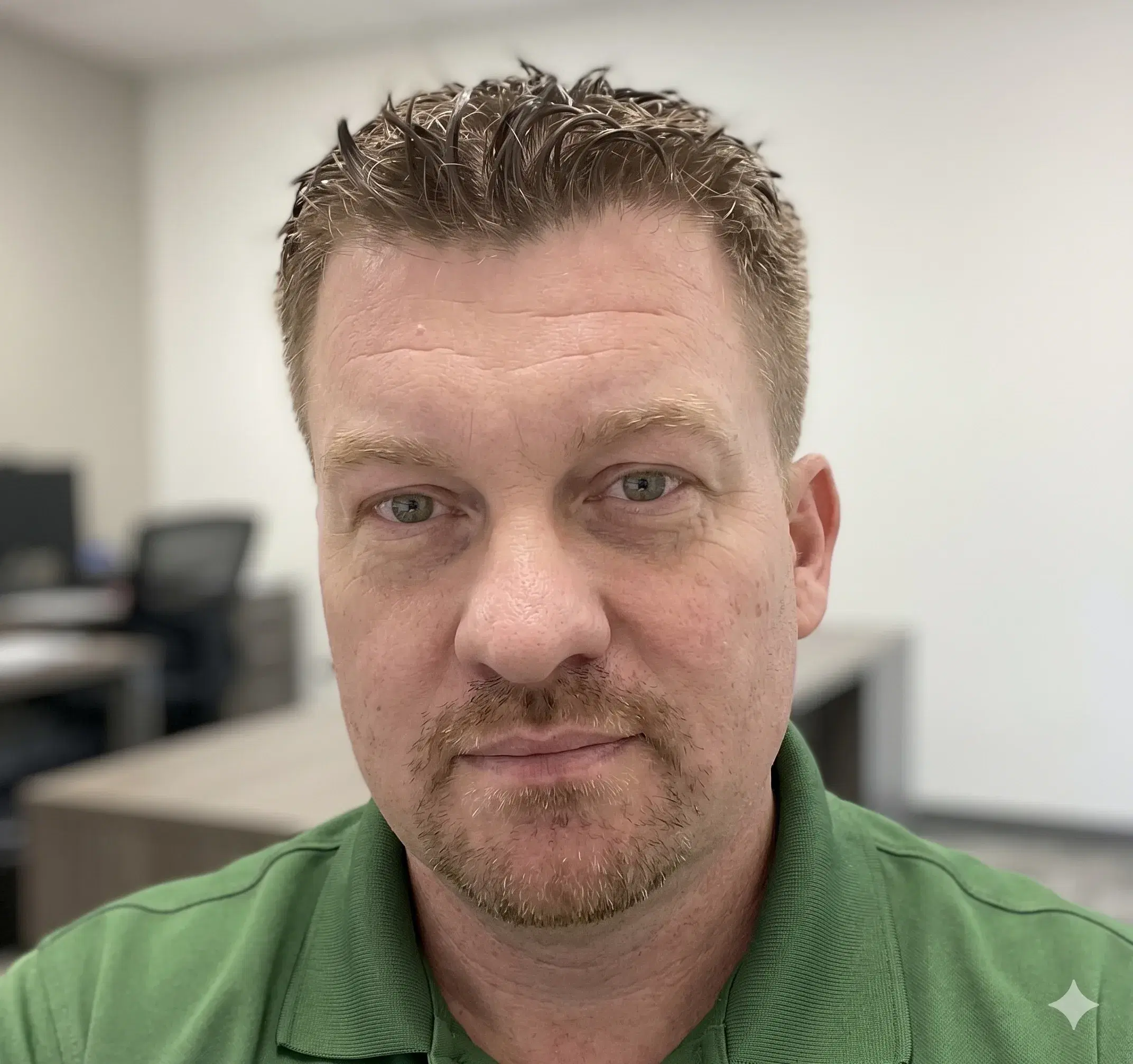
I have been building pools in the Tulsa market long enough to have a clear opinion on this.
For most Tulsa yards, especially the sloped lots that are common in South Tulsa, Jenks, and Bixby, my first recommendation is a semi-inground Freeform or Rectangle build. Not because it is the only option. Because it is the option that works with Oklahoma soil rather than against it.
When you put a pool partially above grade, you reduce how much of that pool shell is buried in Tulsa's expansive clay. Less buried shell means less clay pressure on the structure. The pool wall handles the grade change. And on a sloped lot, that wall becomes the most dramatic feature in the backyard. We build waterfalls and rock features into it. What is a construction challenge becomes a design asset.
I also want to be honest about gunite. Gunite can be the right answer for the right yard with the right builder. But gunite in Oklahoma clay is only as good as the soil engineering behind it.
A builder doing it right will excavate to stable soil below the active clay zone rather than stopping at the minimum depth. They will pre-moisten the clay before deck construction so it swells before the concrete goes down, rather than after. And they will specify rebar for the soil loads on that specific site.
For rebar, gunite pools use number 3, 4, or 5 rebar. Number 3 is 3/8 of an inch in diameter. It is the minimum. Number 5 is 5/8 of an inch. It is the maximum for gunite. Go larger, and voids form behind the steel where concrete cannot penetrate. A builder using number 3 at 12-inch spacing in Oklahoma clay is building to the minimum. A builder using number 4 at 8-inch spacing, with 6-inch grids at stress points, is building for what Oklahoma soil does. The material cost difference is small. The structural difference over 20 years is not.
Those steps cost more and take more time. Builders who skip them are cutting corners that show up in year six when the deck starts moving.
For buyers who want an inground build, my fiberglass OK Plunge is the option I feel most confident about for most Tulsa soil conditions. The shell handles soil movement better than rigid concrete, the installation is faster, and there is no resurfacing cycle.
The most important thing I can tell you: get the site evaluated before you choose the pool. I have seen buyers commit to a pool design based on photos, only to discover during construction that the soil conditions on their specific lot require changes. Those changes affect both the design and the cost. A proper site evaluation before the pool type conversation prevents it.
Frequently Asked Questions
What type of swimming pool is best suited for Oklahoma soil conditions?
For most Tulsa-area yards with heavy clay or expansive soil, a semi-inground vinyl-liner pool reduces direct exposure to clay by sitting partially above grade. For homeowners who want an in-ground build, fiberglass handles clay soil well when properly backfilled and drained. A properly engineered gunite pool is the most flexible option, but it requires soil-specific construction steps that not all builders perform. The right answer depends on your specific yard's soil type, slope, drainage, and groundwater conditions.
Which type of inground pool best withstands Oklahoma's expansive clay soil?
Fiberglass is the most forgiving inground pool type for expansive clay soil. The shell is flexible, allowing it to accommodate minor soil movement without cracking as rigid gunite does. But proper backfill, drainage, and installation are still essential. No pool type is immune to clay soil conditions.
Does Oklahoma's red dirt affect pool construction costs?
Yes. The reddish-brown color of Tulsa-area soil comes from iron-rich Permian shale in the clay. This soil type can add $2,000 to $8,000 to excavation and drainage costs. The exact figure depends on how expansive the clay is, how deep the active zone goes, and what mitigation measures the builder needs to take. A site evaluation is the only way to know what your lot will need.
Which pool construction companies specialize in Oklahoma soil challenges?
Look for builders who conduct a formal site evaluation before recommending a pool type. Look for builders who can explain how they address expansive clay in their construction process, and who offer structural warranties that cover soil-related conditions. Generic structural warranties that exclude soil movement offer little protection in the Tulsa market.
What foundation requirements are needed for a pool in Oklahoma's red dirt?
At least: over-excavate and replace expansive clay with non-swelling fill in deck areas. Install drainage designed for the site. Specify rebar for the soil load. Build the deck with clay movement in mind. For sites with expansive Vertisol clay, a geotechnical engineer may also recommend soil pre-treatment or deeper excavation to reach stable subsoil.
How much value does a pool add to a house in Oklahoma?
Oklahoma pool builders report that a well-built inground pool adds $20,000 to $40,000 in appraised value to a Tulsa home. The exact figure depends on neighborhood, pool quality, and the finished backyard environment. A pool integrated into a complete outdoor living space adds more than an isolated shell with minimal decking. For the full picture on Tulsa pool costs and value, see our inground pool cost post.
Ready to Find Out What Your Tulsa Yard Can Support?
The right pool starts with understanding the ground beneath it. A site evaluation with Silverado Rock identifies your soil type, drainage conditions, slope, access, and groundwater situation before you choose a pool.
That evaluation is free. It takes about an hour. It's the one step that prevents the most expensive pool-building mistakes in the Tulsa market.
[Call Silverado Rock. Free site evaluation. Honest soil assessment. One hour before you commit to anything.]