
Most families open their first pool quote and feel a real jolt, because the number looks closer to a new truck than a backyard project. Why does a hole full of water cost this much?
It is a fair question, and most builders would rather not answer it. Our inground cost guide shows what each pool type costs in Tulsa. This article explains why pools cost that much and what makes Tulsa yards harder to build in.
What Are You Paying for When You Buy a Pool?
A pool isn't a product you carry home from a store; it's a small construction project built from the ground up in your backyard. A crew digs the hole, sets or builds the shell, runs the plumbing and power, and pours the deck.
National numbers show the job's scale. Angi's inground cost data puts the 2026 national average at $65,909 for an inground pool. Most homeowners pay between $44,499 and $87,349, and those figures are national benchmarks, not our quotes.
Pool type | National installed range | Our Tulsa range |
|---|---|---|
Vinyl liner | $40,000 to $75,000 | About $20,000 (semi-inground, pool only) to $65,000 |
Fiberglass | $55,000 to $100,000 | About $46,000 (plunge) to $150,000 or more |
Concrete (gunite) | $65,000 to $120,000 | About $55,000 (plunge) to $100,000 or more (full size) |
Our ranges exclude electrical work, dirt hauling, permits, crane service, and buried rock, because each depends on your yard. Every price on that table pays for the same four things: labor, materials, equipment, and the safety work your city requires.
Why Does a Pool Take So Much Labor?
Labor is one of the biggest reasons pools cost so much. Angi says labor makes up 25 to 50 percent of a typical inground pool's installed cost.
That share makes sense once you count the trades on a single job. A pool can need an excavator operator, wall or shell installers, a plumber, and a licensed electrician. Many of our builds also need concrete finishers and rock masons, and each trade brings its own tools, training, and insurance.
The work takes time, too. Our vinyl liner and semi-inground pools take about 26 working days, and fiberglass pools take 4 to 6 weeks. A custom gunite pool takes 3 to 6 months from contract signing.
Good labor is also the part of a pool you never see once the build is done. Nobody looks at the base under a pool or the backfill packed around its walls. Yet that hidden work determines whether the pool stays level for decades, so the same crews return on every build.
Why Do Pool Materials and Equipment Cost So Much?
A pool can hold more than 100,000 pounds of water, so it needs heavy materials that can take that load for decades. Vinyl liner pools use steel walls and a custom liner. Fiberglass pools arrive as a single factory-built shell on a truck, and gunite pools are built in place from rebar and sprayed concrete.
The material most buyers overlook is what goes under and around the pool. Every fiberglass pool we build sits on 80 to 100 tons of 3/8 inch chip stone. That stone alone costs about $3,000 to $4,000, and it is already in our price. Our chip stone backfill article explains why we never set a shell on sand.
The deck adds more than most families expect. Our fiberglass and vinyl liner pools include 3 feet of concrete deck, and extra decking runs $17 to $21 per square foot.
The equipment pad holds the pump, the filter, and any heater or salt system, and the pump runs every day the pool is open.
We build every gunite and fiberglass pool with Jandy equipment, and every gunite pool carries at least $12,000 worth. We don't offer good, better, and best tiers because a cheap pump can cost you more over the life of the pool.
Why Do Safety Rules Add to the Price?
Water, electricity, and small children make pools risky, so the code requires steps that cost money but protect your family.
Every city in the Tulsa metro requires a pool permit and inspections, and in Tulsa the plans go through the Tulsa Permit Center . The electrical code also requires a bonding grid that ties the pool's metal parts and the water together to lower the risk of shock. The federal Pool Safely campaign also calls for a fence at least four feet tall around a home pool.
What Makes Building a Pool in Tulsa Harder?
Four local conditions make pools in the Tulsa area harder and costlier to build.
Clay soil. Much of the Tulsa area sits on clay that swells when it gets wet and shrinks again as it dries. You can look up the soil under your own home for free with USDA soil maps . Any pool type can work in Tulsa clay and last, because the build determines how well it holds up. Our Tulsa clay soil guide covers this in depth.
Buried rock. Northeast Oklahoma hides sandstone ledges that nobody can see from the surface, and rock is the one thing that can change your quoted price. Our guide to what happens if we hit rock explains how we remove rock and how we bill for it.
Sloped yards. Many Tulsa yards fall away from the house, and a full inground pool needs a level place to sit. On a slope, a retaining wall and fill dirt run $10,000 to $15,000 in our builds. A semi-inground pool can sit deeper on the high side of the hill instead and skip much of that cost.
Storms and groundwater. Oklahoma storms can dump a lot of rain fast, and an open pool hole fills like a bucket. One of our fiberglass digs filled with rainwater after a storm, and pumping it out took most of the day.
A real Silverado Rock fiberglass dig after an Oklahoma storm, before our crew pumped it dry.
That is why every inground pool we build gets a pipe at the deep end, so a pump can pull rising groundwater out. Rain and permit delays cost you time, but they do not add dollars to your contract.
Why Can the Same Pool Cost More in One Yard Than Another?
Here is a hypothetical example, with made-up families and our own real pricing.
Both families pick the same Leisure Fiji plunge pool, which starts at $45,702. That price includes the shell, installation, a variable-speed pump, a cartridge filter, waterline tile, 3 feet of concrete deck, startup, and pool school. It excludes electrical work, dirt hauling, permits, crane service, and buried rock, because each depends on the yard.
Family one has a flat yard and a wide side gate. The delivery truck backs up close to the hole, so the crew sets the shell without a crane. Their equipment pad sits near the pool and the house, so the electrical run is short. Their add-ons stay small.
Family two has a yard that drops toward the back fence. Their pool needs a level base, so they need a retaining wall and fill first, which adds $10,000 to $15,000 to the build.
Their only way in is a narrow gate beside a big oak tree, and the truck cannot reach the backyard. So a crane lifts the shell over the house. Their equipment also sits far from the pool, which means a longer electrical run.
Both families get the same shell, pump, and build standards. Family two pays more for the wall, the crane, and the longer electrical run, and none of that money buys a better pool.
The same thing happens with our semi-inground OK Plunge , which starts at $19,999 for the pool only. A finished OK Plunge can differ by up to about $30,000 between a flat, open yard and a sloped, tight one.
What matters most to both families is that their kids get the same cannonballs and the same long summer evenings in the water. The yard changed the price, but it did not change what the pool gives a family.
Why Are Pools So Expensive Now?
Pool prices jumped in the early 2020s and never fell back to where they were.
A 2022 report from AQUA Magazine , a pool industry trade journal, laid out the reasons. Steel, PVC pipe, pumps, filters, and heaters all climbed sharply in price. Builders said normal yearly increases of 5 to 7 percent had doubled or tripled.
The pressure has not gone away since then. Pentair, one of the largest pool equipment makers, said in its 2025 annual report that metal and raw material prices have trended higher with tariffs. The company also said it raises its selling prices to help offset those costs.
Labor is tight as well. In an early 2026 PHTA industry survey , nearly half of pool-building firms named hiring and retaining skilled workers as a top challenge.
Why Do Pools Cost Less in Some Areas?
Pool prices vary widely by state, and Angi's state data shows a 2026 inground pool in Michigan running $39,000 to $58,000. The same kind of pool runs $70,000 to $184,000 in Illinois. Angi does not list Oklahoma, so Texas, our closest neighbor in its data, is the best regional guide at $51,900 to $100,700.
Angi traces those gaps to local labor and material costs, and states with a higher cost of living tend to have higher pool prices. Inside one city, though, the biggest swings usually come from the yard itself.
 Not sure which pool fits your family?Find My Perfect PoolAbout 90 seconds. No measurements or photos needed.
Why Do Pool Builders Charge Such Different Prices?
Two builders can quote the same pool and land far apart. Some of that gap comes from what the quote leaves out, and some comes from how each builder works.
A cheaper quote often leaves out costs every pool still needs, such as permit fees, dirt hauling, a fence, or enough deck. Add those costs to any starting price before you compare.
The base and backfill make a good test, because sand costs less than chip stone but can hold water and wash out. When that happens, a pool can drop on one side, and the deck around it can sink.
So a higher quote isn't always a worse deal, and a lower quote isn't always a better one. Ask every builder how they build and what happens if something goes wrong after the build.
How We Build Every Pool
Here is what goes into every Silverado Rock pool, and what backs it.
- A solid base. Fiberglass shells sit on at least 4 inches of compacted 3/8 inch chip stone, never sand. We use the same stone to backfill our fiberglass and semi-inground pools.
- Semi-inground walls set deep. Every semi-inground pool goes at least 18 inches into the ground. We pour concrete under its steel walls and build a vermiculite floor under the liner.
- Leisure Pools shells. Our fiberglass pools are Leisure Pools shells built with vinyl ester resin . The Leisure limited warranty covers water loss from manufacturing defects or osmosis for the original buyer.
- A long warranty floor. That Leisure coverage lasts for the life of the original buyer and for at least 35 years from delivery.
- Waterline tile. Every fiberglass pool gets glass or porcelain tile at the waterline to protect the gel coat from fading and chalking.
- Thick gunite. Our custom gunite shells are 8 inches thick, built with steel rebar and sprayed concrete.
- Tested plumbing. We pressure test every plumbing line before we backfill, so leaks show up before the ground covers them.
- Equipment set up right. We program every pump's speeds before handoff and place skimmers on the northwest side to catch debris pushed by Oklahoma wind.
- Designed first. We design every pool in 3D before we price it, and we credit the design fee toward the build.
- Backed in writing. Our 5-year workmanship warranty covers every pool type, and we file the OKIE811 locate request on every job.
What I Recommend
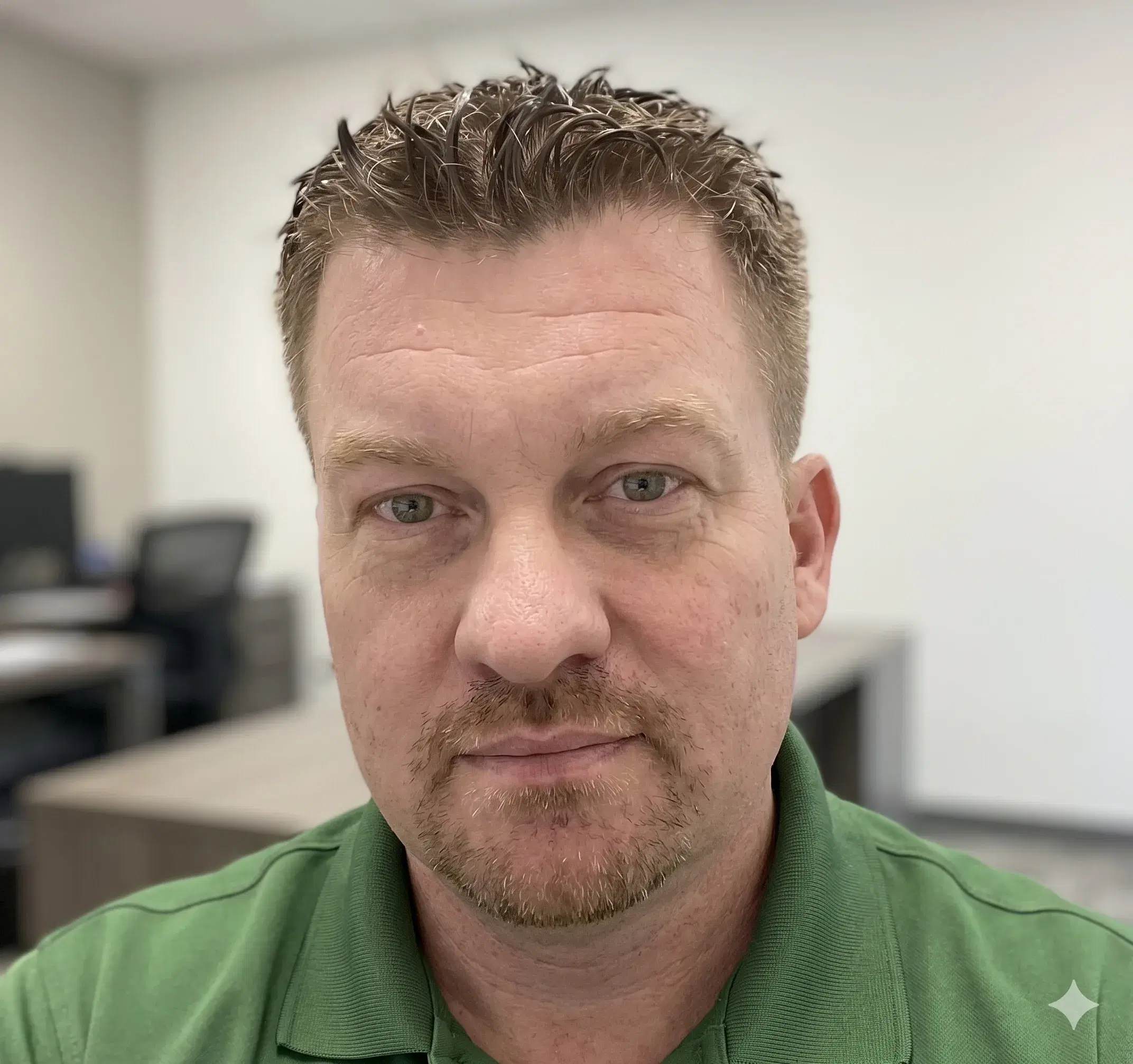
I'm Jason Cherry, and I've built pools for 29 years. Don't judge a pool price until you know what it buys. Ask every builder four things: who does the labor, what materials go in, which equipment brand you get, and what's left out.
If two quotes are far apart, the gap usually sits in the parts you can't see. That means the base, backfill, equipment, and deck size.
If your yard slopes, price a semi-inground pool on the high side first. It can save you the cost of a retaining wall, and it looks like it was built into the hill.
Then keep some room in your budget for buried rock. If we hit it, I'll show you what we found and get your okay before any extra work starts.
Silverado Rock is a Tulsa pool builder and a member of the PHTA trade association . We're an Elite Leisure Pools dealer. We build semi-inground vinyl liner, fiberglass, and custom gunite pools across Tulsa, Broken Arrow, Bixby, Jenks, Owasso, and nearby towns.
Frequently Asked Questions
Why are pools so expensive?
A pool is a custom construction project built in your yard, not a product shipped in a box. You pay for skilled labor, heavy materials, equipment that runs every day, and the safety work the code requires. Labor alone makes up 25 to 50 percent of a typical inground pool's cost nationally.
Why are pools so expensive in Tulsa?
Tulsa yards add costs that softer, flatter ground does not. Clay soil swells and shrinks, buried rock slows the dig, many yards slope, and storms can flood an open hole. A good build plans for all four with a solid base, careful backfill, and drainage.
Why are pools so expensive now?
Pool prices jumped in the early 2020s and never fell back. Steel, pipe, pumps, filters, and heaters all rose sharply, and Pentair reported in 2025 that metal prices kept climbing with tariffs. Many pool builders also report trouble hiring skilled crews.
Why do pools cost less in some areas?
Pool prices change by region because labor rates, material costs, soil, and permit fees all differ. Angi's 2026 data shows inground pools in Michigan running $39,000 to $58,000, while Illinois runs $70,000 to $184,000. Inside one city, the yard itself causes the biggest swings.
How much does an inground pool cost in Tulsa?
At Silverado Rock, our semi-inground OK Plunge starts at $19,999 for the pool only. Fully inground vinyl liner pools start at $45,000, and fiberglass plunge pools start at about $46,000. A gunite plunge pool starts at $55,000, and a full-size custom gunite pool starts at $100,000.
Can my pool price go up after I sign?
At Silverado Rock, your quoted price is fixed, with one exception: buried rock. If the excavator hits rock, we show you what we found and get your approval before extra work starts—rain and permit delays cost time, not added dollars on your contract.
Find the Pool That Fits Your Yard and Budget
The best pool is not the cheapest one on paper but the one your family uses every summer night, with no surprise bills.
Picture the kids racing home to cannonball off the edge, and you with your feet in the water as the sun goes down.
Our quiz takes about 90 seconds and matches your yard, your family, and your budget to the pool type that fits best. Take the quiz and see which pool is right for your family.
Not sure which pool fits your family?Find My Perfect PoolAbout 90 seconds. No measurements or photos needed.