

You signed the contract, and the kids are counting down to the first swim. Then the excavator shows up, and your backyard becomes a giant hole.
That is when most families start to worry. Our guide to the construction process shows how a build should flow.
Building a pool is real construction, and real construction runs into problems. But most pool construction problems aren't bad luck. They come from steps someone skipped, rushed, or never planned.
Below are the 10 problems that show up most often during pool construction, who pays for each, and what to ask your builder. One of them is the only thing that can change our quoted price after you sign, so we start there first.
| Problem group | Examples | Who should catch it |
|---|---|---|
| The ground | Buried rock, utility lines, wet clay, groundwater | The builder, during the site visit and the dig |
| The weather | Heavy rain, flooded holes, freezes during concrete work | The builder, through scheduling and site protection |
| The people and paperwork | Permit delays, plumbing leaks, rushed concrete | The builder, through checks and clear updates |
The builder should catch almost every problem on this list, which is why the builder you pick matters most.
10 Pool Construction Problems and How We Prevent Them
1. The Excavator Hits Buried Rock
Some Tulsa yards have solid rock or hard shale a few feet down, and nobody knows it is there until the bucket hits it. Rock slows the dig and can turn a simple plumbing trench into hard work with a pickaxe.
Who pays: Once you sign, your quoted price is fixed, and buried rock is the only thing that can change it. If our excavator hits rock, we stop, show you what we found, and talk with you before anything changes.
2. A Utility Line Gets Hit
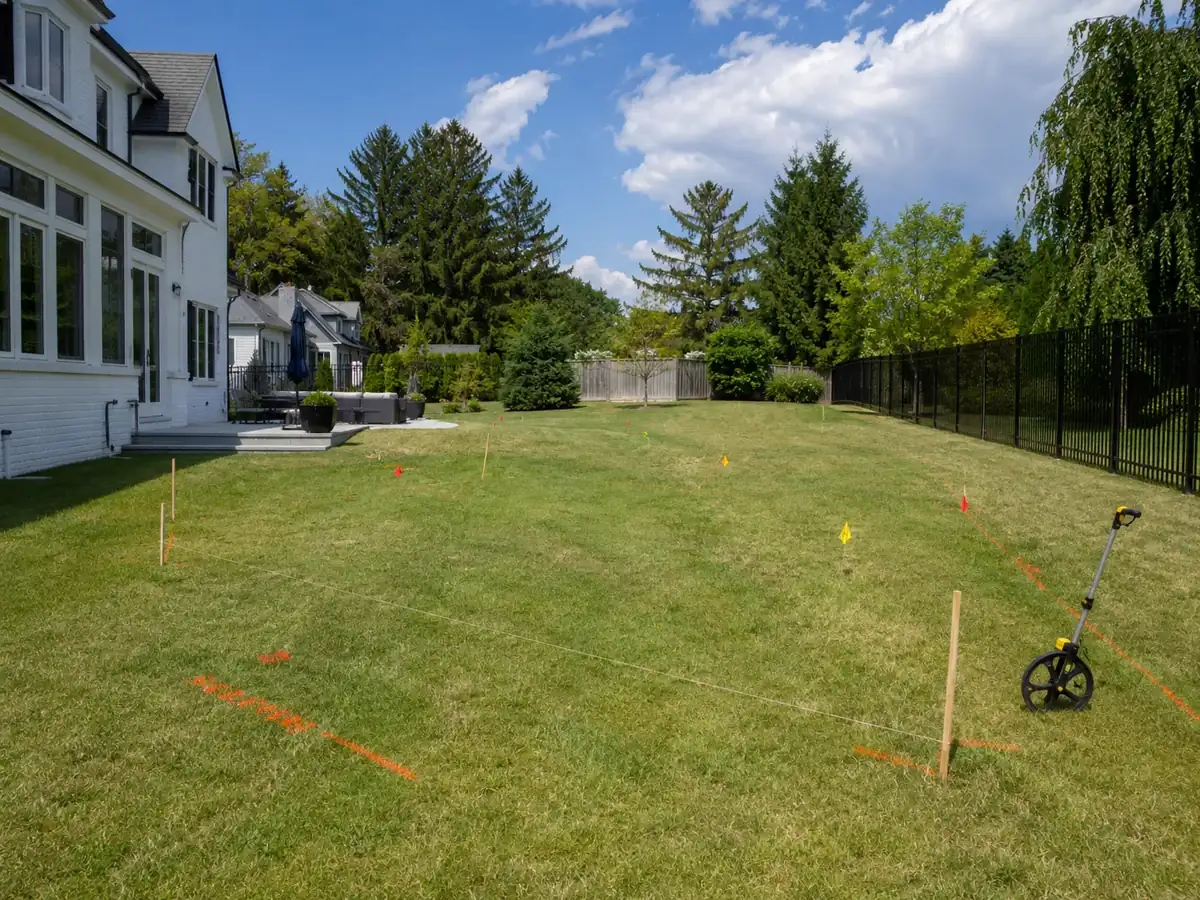
Gas, power, water, and internet lines run under most backyards, and hitting a gas or power line can be deadly. Before anyone digs, the contractor must contact OKIE811 at least three business days ahead so utility companies can mark their lines. Ask your builder for the locate ticket number.
But wait. There is a catch most families miss. The OKIE811 homeowner guide explains that private lines may not be marked. That includes sprinkler lines, yard lights, septic lines, and power lines to a detached garage. Tell your builder about every private line you know of before the dig.
Who pays: OKIE811 says property owners pay to find and protect private lines.
 Want to know what your yard can hold?Get My Free Yard CheckJason calls first to set a time. Your yard notes arrive within a day.
3. Rain Floods the Open Hole
An open pool hole is a big bowl, and Oklahoma storms fill bowls fast. No crew can set a pool or spray concrete in standing water, so they pump the hole, and the base has to firm up again.
Spring is the riskiest season. A National Weather Service report notes that May is normally the wettest month in this region. In May 2024, Tulsa recorded 10.76 inches of rain.
Who pays: On a Silverado Rock build, rain costs time, not added dollars on your contract. If you want to swim by Memorial Day, see our guide on when to build.
4. Groundwater Pushes the Pool Up
This one surprises almost everyone, but a pool can float. Push a plastic cup into a bathtub, and it pops up when the outside water level is higher than the inside. Soaked ground does the same thing to an empty or half-full pool shell.
How we prevent it: We keep the water inside the shell higher than the water in the ground while we backfill. We also set a groundwater relief pipe at the deep end of every inground pool. If the ground gets soaked, a pump can remove the water.
Who pays: A pool that shifts during construction points to how it was built. Ask any builder what their contract says if the shell moves.
5. The Backfill Settles and the Deck Sinks
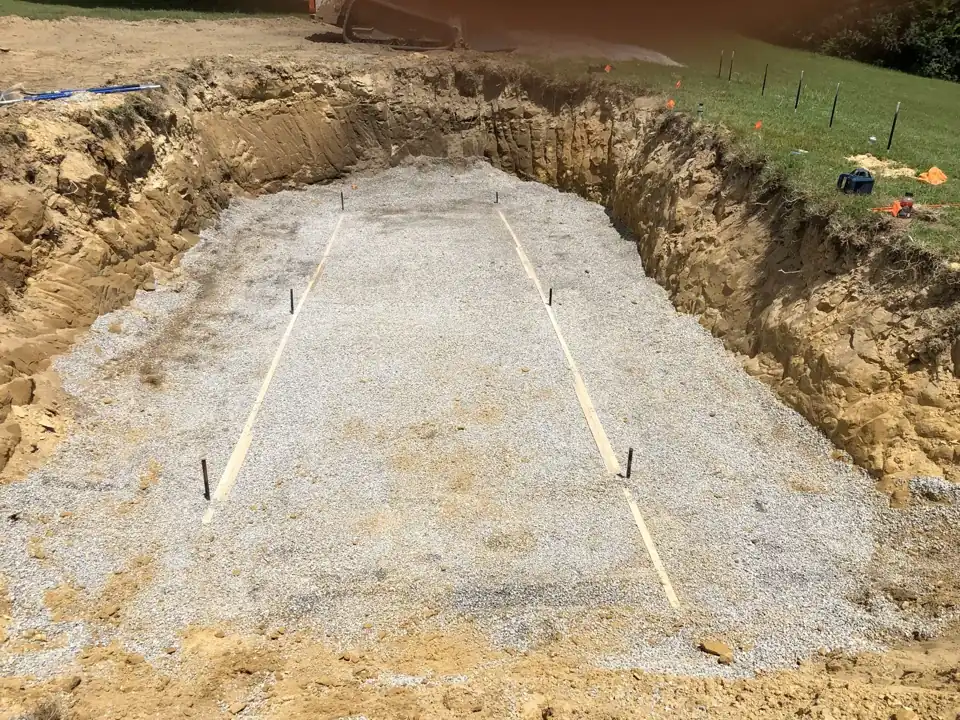
Backfill is the material packed around the pool to hold its walls and support the deck. Some builders use the dirt they dug out of the hole, but no crew can pack that dirt as tight as nature did. Over time, we've seen it drop a foot or more around a pool.
Sand causes a different problem, because it holds water and can wash away. We once replaced a deck in Broken Arrow where the sand under it had washed out. The shell had dropped two inches on one side.
How we prevent it: We backfill vinyl liner and fiberglass pools with 3/8 chip stone, which locks together and drains freely. Our fiberglass backfill guide shows why we never use sand.
Who pays: Settling often shows up years after the crew leaves, so the repair bill lands on you.
6. A Plumbing Leak Gets Buried
Most of your pool's plumbing ends up under dirt and concrete. A loose joint that leaks before we fill the trench becomes a nightmare after the deck is poured.
How we prevent it: We fill the lines with air, record the pressure, and let them sit overnight. If they still hold pressure the next morning, we know the plumbing is tight, and only then do we fill the trenches.
Who pays: A leak found after the deck is poured can mean cutting and replacing new concrete. Ask any builder whether their contract covers that repair.
7. The Gunite Shell Does Not Cure Right
This one applies only to custom gunite pools, which use concrete sprayed against the shaped dirt. Concrete needs water to gain strength. A concrete curing guide from a national trade group warns that concrete left to dry can lose up to half of its potential strength.
How we prevent it: We wet every new gunite shell three to five times a day for a week. After that, we wet it daily until we apply the plaster.
Who pays: Weak concrete may not show its problems for years. Ask what the shell warranty covers and for how long.
8. The Concrete Deck Cracks or the Edge Looks Wavy
Clay swells and shrinks under a deck, so a deck poured on soft, loose fill will move and crack. Our guide to Tulsa clay soil explains why. The edge that hangs over the water is also hard to form straight and smooth.
How we prevent it: We pour on a firm chip stone base. Our concrete crew started out building pools, and the same crews return on every build.
Who pays: Cracks from a poor base are a build problem, not normal wear. Ask what the deck warranty covers before the concrete truck arrives.
9. The Permit or Inspection Stalls
Permits take 1 to 4 weeks, depending on your city. A permit office often will not call about a missing detail, so a file missing one measurement can sit for weeks.
How we prevent it: You pay the fee, but we file the permit using a 3D design that holds every measurement. Our pool permits guide covers each city. The state's home repair tips say a contractor should show you the permit before work begins.
Inspections can stall a build too. Two common trouble spots are the safety fence and electrical bonding, the copper wire that ties metal parts near the pool together. The Pool Safely barrier checklist calls for a fence at least 4 feet tall with a self-closing, self-latching gate.
Who pays: On a Silverado Rock build, permit and inspection delays cost time, not added dollars on your contract.
10. Heavy Equipment Damages the Yard
Machines, dump trucks, and loads of stone roll through your property, and fiberglass pools also need a crane. That traffic can crack a driveway, crush sprinkler heads, or bring down a fence panel.
How we prevent it: We check access on the first yard visit and plan the machine path with you before the build starts. We hire a landscaper for planting.
Who pays: Agree in writing before the build on the machine path, the fence, and who repairs what.
What Most People Get Wrong About Pool Construction Problems
Most families think the biggest risk is a bad crew or bad luck, but the bigger risk is silence. A rain delay is normal. But when nobody tells you why the job site is empty, a normal day can feel like a broken promise.
Your kids should race to the window each morning to see what changed. You should never stand there wondering why nobody showed up. Our crews call in at the end of every workday, and our rock and concrete crews send a short video of their work. That lets us tell you what happened today and what happens next.
"The overall knowledge and experience Jason has of pools far exceeds anyone else I have talked to in the pool business. He came out and went through the whole process with me."
Dan R. Duckwall, Tulsa
What to Ask Before Construction Starts
Oklahoma does not issue a state license for pool builders, as the state CIB licensing FAQ confirms. It does license electricians and plumbers, so check those trades.
Also ask what the price leaves out. Our guide to the pool-only price shows what a bare quote can miss. Then bring these questions to every builder:
| Question | What a good answer sounds like |
|---|---|
| What happens to my price if you hit rock? | A clear, written rock policy |
| Who calls OKIE811, and can I see the ticket number? | "We do, and yes" |
| What do you backfill with? | A named stone, not "the dirt we dig out" |
| Do you pressure test the plumbing before burying it? | Yes, with a set test time |
| How do you protect the pool from groundwater? | A named plan, such as a relief pipe |
| Who files the permit, and will you show it to me? | "We file it, and you will see it before we dig" |
| How will you update me during the build? | A daily or regular update you can count on |
 Talking to pool builders soon?Get the ChecklistSeven questions to ask before you sign. Free to print.
What I Recommend
I've built a lot of pools in Tulsa, and every build has its surprises. On one of my early builds, we hit shale so hard that we couldn't dig a 20-foot plumbing trench with a shovel. We broke it up with a pickaxe, and then it rained before we backfilled the pool. We dug a relief ditch and kept water in the pool so it wouldn't float.
That job taught me something. The difference between a good build and a bad one isn't whether problems happen. It's whether your builder saw them coming.
So don't pick a builder by the lowest number on the page. Pick the one who can tell you what happens when the excavator hits rock, or the hole fills with water. If they can't answer before you sign, they won't handle it well after.
Frequently Asked Questions
What is the most common problem during pool construction?
Rain often delays construction in Tulsa because a spring storm can flood an open pool hole. Buried rock, permit delays, and utility lines are also common. Most of these problems are predictable, so a good builder plans for them before the dig starts.
Can a pool float out of the ground?
Yes. When the ground is soaked, water in the soil pushes up on the pool shell. An empty or half-full fiberglass pool is most at risk. Builders prevent this by keeping water in the pool during backfill and by installing a groundwater relief pipe under the pool.
Who pays if the excavator hits rock?
It depends on your contract, so read the rock policy before you sign. At Silverado Rock, your quoted price is fixed once you sign. Buried rock is the one exception. If we hit rock, we stop, show you what we found, and talk with you before anything changes.
How long can pool construction delays last?
It depends on the cause. Rain can stop work until the hole is pumped and firm. Permits take 1 to 4 weeks, depending on your city. Buried rock can slow the dig. Custom gunite pools take the longest overall, at 3 to 6 months from signing.
What happens if a utility line is hit during pool construction?
Digging must stop, and the contractor must report the damage to the line owner and OKIE811. Hitting a gas or power line can be dangerous. To prevent it, the contractor must contact OKIE811 at least three business days before digging. Private lines, like sprinklers and yard lights, may not be marked.
Do Oklahoma pool builders need a license?
Oklahoma does not issue a state license for general contractors or pool builders. The Construction Industries Board does license electrical, plumbing, and mechanical contractors. Ask who will handle the wiring and gas work on your pool, and check that those trades hold current licenses.
Find the Right Pool Before the First Shovel
The best way to avoid pool construction problems is to plan the right pool for your yard from the start. The right plan heads off most problems before the first shovel hits the ground. Then your family can count down to the first swim.
Take the Perfect Pool quiz, answer a few quick questions about your yard and family, and see which pool type best fits your property.